

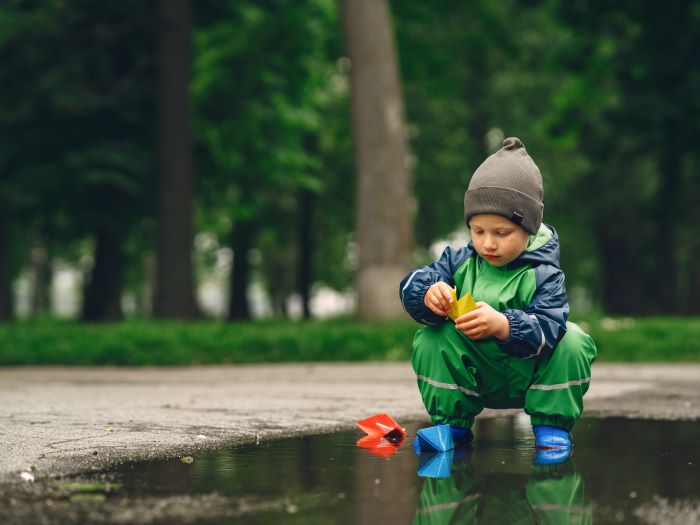
The monsoon season brings refreshing rains, cooler weather, and a sense of joy for children eager to play outdoors. However, it also arrives with a heightened risk of infections, allergies, and hygiene-related illnesses—especially among young children whose immune systems are still developing. This is why monsoon child hygiene must become a top priority for every parent during the rainy months. By focusing on simple yet effective cleanliness habits and preventive care, families can ensure their children stay healthy and active despite the seasonal challenges.
In this detailed guide, we’ll explore practical hygiene tips, expert-backed insights, and preventive strategies that parents can easily implement during monsoon season.
✅ Why Monsoon Child Hygiene Matters More Than Ever
Warm humidity combined with stagnant water creates the perfect environment for bacteria, viruses, and mosquitoes to multiply. Children are highly vulnerable to:
- Colds, coughs, viral fevers
- Stomach infections and diarrhea
- Skin fungal infections
- Mosquito-borne diseases like dengue, malaria, and chikungunya
- Eye infections and ear infections
Maintaining hygiene is not just about staying clean—it’s about strengthening your child’s immune defense and preventing seasonal illnesses before they take hold.
🧴 Daily Hygiene Habits Parents Must Reinforce
Small habits practiced consistently can drastically reduce infection risks. Encourage kids to:
1️⃣ Wash Hands Frequently
- Before and after eating
- After playing outside
- After using the bathroom
- After touching pets or shared objects
Use soap and clean water for at least 20 seconds. You can also keep a sanitizer handy while traveling.
2️⃣ Keep Nails Short and Clean
Long nails harbor dirt and bacteria that can cause stomach infections when children touch their mouths.
3️⃣ Daily Bath With Antifungal Care
Because sweat and humidity promote fungal infections:
- Prefer lukewarm water over cold showers
- Use mild antiseptic or antifungal soaps twice a week
- Ensure complete drying—especially feet, armpits, and between fingers
👚 Clothing & Footwear: Comfort and Protection
Monsoon-appropriate clothing can prevent discomfort and skin problems.
| Clothing Tips | Footwear Tips |
|---|---|
| Use light and breathable cotton fabrics | Avoid flip-flops during puddle areas |
| Change damp clothes immediately | Prefer closed shoes, gumboots, or sandals with grip |
| Always carry an extra set in school bags | Dry shoes properly to prevent fungal growth |
Wet socks and shoes are a major source of athlete’s foot and rashes in monsoon.
🍽️ Safe Eating & Drinking Practices During Monsoon
Food contamination rises sharply in rainy season due to flies, stagnant water, and unstable food storage temperatures. Good nutrition also boosts immunity.
✅ Essential Tips:
- Boil water or use a purifier; avoid drinking directly from taps
- Avoid street foods, especially juices, chaats, and cut fruits exposed to air
- Wash fruits and vegetables thoroughly with clean water
- Prefer freshly cooked homemade meals
- Include immunity-boosting foods: turmeric, ginger, garlic, citrus fruits, yogurt, and nuts
Encourage regular hydration even if the weather feels cool—it prevents fatigue and headaches.
🌧️ Outdoor Play: Safe Fun During Rains
Children love splashing in puddles—but hidden dangers like sewage, sharp objects, and disease-causing microbes lurk beneath.
Rules for Outdoor Safety:
✔ Avoid stagnant water play
✔ Clean and sanitize exposed skin immediately after outdoor activities
✔ Use mosquito repellents when stepping out
✔ Ensure proper footwear to prevent injuries
Mosquito breeding is high near waterlogged areas, so check surroundings regularly.
🏡 Maintaining a Clean and Dry Home Environment
A sanitary home directly supports monsoon child hygiene. Parents should:
- Keep the floor dry to avoid fungal spores and accidents
- Wash and sun-dry bedsheets and towels frequently
- Use disinfectant for mopping floors
- Clean toys regularly since kids often put them in their mouths
- Ensure proper ventilation to prevent mold buildup
A dehumidifier or regular use of exhaust fans can help reduce indoor dampness.
🦟 Mosquito Protection: Non-Negotiable During Monsoon
Diseases like dengue are common in rainy season, and children are the easiest targets.
✅ Smart Prevention Measures:
- Use mosquito nets especially during sleep
- Install window screens if possible
- Apply child-safe repellents (pediatrician-approved)
- Eliminate stagnant water from flowerpots, utensils, and balconies
👶 Skin, Hair & Eye Care for Kids During Monsoon
Humidity and dampness can disturb natural skin balance.
Skin
- Moisturize daily to prevent rashes
- Use talc only in sweat-prone areas, not entire body
- Treat small cuts or insect bites immediately with antiseptic
Hair
- Wash hair 2–3 times weekly
- Dry scalp thoroughly to prevent dandruff and fungal infections
Eyes
- Avoid children touching their eyes frequently
- Use a clean towel each day
- If redness, itching, or discharge occurs, consult a doctor for conjunctivitis screening
🩺 Recognizing Early Warning Signs
Immediate attention reduces complications. Seek medical care if you notice:
- Persistent fever
- Vomiting or diarrhea
- Rashes spreading quickly
- Excessive coughing or breathing difficulty
- Severe body aches (possible dengue)
- Ear pain or eye discharge
Never rely solely on home remedies during monsoon—timely diagnosis saves health.
🧠 Teaching Kids About Hygiene – Make It Fun!
The best hygiene habits stick when children understand why they matter.
Try:
- Reward charts for consistent handwashing
- Hygiene-themed storybooks or animated videos
- Coloring sheets about germ-free habits
- Fun reminders like a “20-second handwash song”
Building independence and awareness from early age empowers kids for life.
✅ Conclusion: Keep Kids Safe, Happy & Healthy This Monsoon
Monsoon brings nature alive—but it also introduces new health risks. Prioritizing monsoon child hygiene ensures your kids can enjoy the season without falling sick. Simple practices like handwashing, clean clothing, safe food, mosquito prevention, and a dry home environment can make a massive difference.
Investing a little effort each day creates a healthier future for your child. With these tips in place, parents can confidently welcome the refreshing rains knowing their little ones are protected—with smiles, laughter, and plenty of puddle-free joy!