

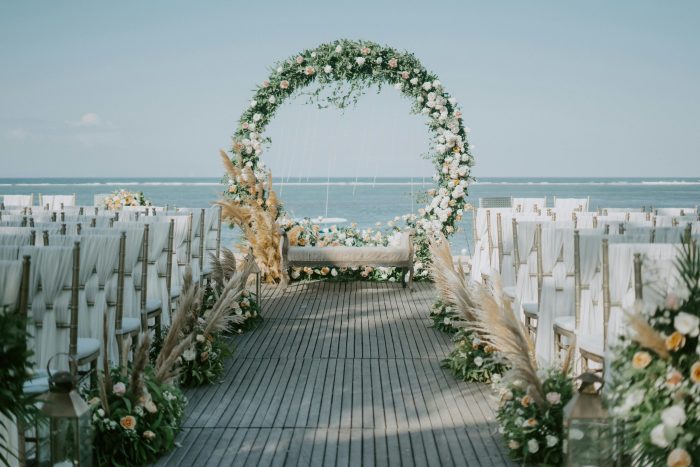
Choosing the perfect wedding venue is one of the most crucial decisions you’ll make when planning your big day. The right venue sets the tone, defines your theme, and plays a major role in your budget and guest experience. Whether you’re dreaming of a beachfront ceremony, a rustic barn reception, or a grand ballroom celebration, this comprehensive step-by-step guide will help you navigate the journey of selecting the ideal spot to say “I do.”
Step 1: Establish Your Wedding Vision
Before diving into the world of wedding venues, start by defining your vision. Are you picturing an elegant affair with chandeliers and classical music, or something more relaxed and bohemian under the stars? Think about the atmosphere, aesthetic, and emotions you want your venue to evoke. Your wedding vision should reflect both partners’ personalities and values.
Pro Tip: Create a mood board using Pinterest or Instagram. Include colors, themes, and venue styles that inspire you. This visual reference will help you narrow your choices when visiting venues.
Step 2: Set Your Budget
It’s essential to determine how much you’re willing to spend before touring any venues. Many couples allocate around 30-40% of their total wedding budget to the venue, including catering, rentals, and décor.
Ask potential venues for a detailed breakdown of what’s included in their pricing. Some venues may seem affordable initially but come with hidden fees for services like cleaning, security, or parking.
Questions to ask:
- Is there a minimum spend requirement?
- What’s included in the venue rental?
- Are there additional fees for overtime or outside vendors?
Step 3: Choose a General Location
Location plays a huge role in guest experience. Decide if you want a local celebration close to home, a destination wedding, or something in between. Factor in the convenience of travel, accommodations, and accessibility for your guests.
Popular categories of wedding venues include:
- Urban venues (hotels, lofts, art galleries)
- Rural venues (barns, vineyards, countryside estates)
- Waterfront venues (beaches, lakeside resorts)
- Cultural venues (museums, historic buildings)
Each comes with unique pros and cons—urban venues may be easier for guests to reach, while rural or destination weddings often require more logistics and planning.
Step 4: Finalize Your Guest List Estimate
You don’t need an exact guest count yet, but a rough estimate helps determine what size venue you’ll need. Choosing a space that’s too small can make the event feel cramped, while an oversized venue can feel empty and impersonal.
Many wedding venues offer tiered packages based on guest numbers. Knowing your headcount helps you avoid overspending on space or selecting a venue that cannot accommodate your group comfortably.
Tip: Ask if the venue has minimum or maximum capacity requirements. Also check if they offer flexibility if your guest list changes closer to the event.
Step 5: Explore Venue Packages and Services
Some venues are full-service, offering in-house catering, planning, rentals, and even decorations. Others are more DIY, providing only the space and leaving the rest up to you.
Consider how much work you’re willing to take on—or outsource. A full-service venue may cost more upfront but save time and coordination headaches later.
Look for venues that:
- Fit your desired style and vibe
- Offer flexible layouts and spaces (indoor/outdoor options)
- Are transparent about what’s included in their pricing
- Have backup options for bad weather (especially for outdoor weddings)
Must-have amenities:
- Bridal suite or prep space
- On-site restrooms
- Adequate parking or transportation options
- Accessibility for elderly or disabled guests
Step 6: Visit and Evaluate Shortlisted Venues
Once you’ve narrowed down your top contenders, schedule in-person tours. Photos can be misleading, and there’s no substitute for seeing the space with your own eyes.
During your visit, take notes and ask detailed questions:
- Is the space clean and well-maintained?
- What’s the lighting like—natural and artificial?
- Can you visualize your ceremony and reception layout here?
- How’s the flow between spaces (e.g., ceremony to cocktail hour to dinner)?
Talk to the venue manager about availability, restrictions (such as noise curfews or alcohol rules), and cancellation policies. A good venue team should be responsive, accommodating, and professional.
Step 7: Read the Contract Carefully
Once you’ve chosen the venue, review the contract thoroughly before signing. Pay close attention to the fine print—especially cancellation terms, deposit amounts, rescheduling policies, and any clauses related to inclement weather.
If anything seems unclear, don’t hesitate to ask for clarification. A reputable venue will walk you through every detail and answer all your concerns.
Step 8: Book Early
Popular wedding venues book out 12 to 18 months in advance, especially during peak wedding seasons. Once you’ve found “the one,” don’t delay—secure your date with a signed contract and deposit.
Booking early not only gives you peace of mind but also helps you start planning other elements (like catering, entertainment, and décor) with your venue’s guidelines in mind.
Step 9: Revisit for Planning Sessions
After booking, you may need to visit the venue a few more times—once with your planner, another time for a tasting or décor mock-up. Maintain good communication with your venue coordinator and clarify logistics as the date approaches.
Being familiar with the venue layout will also help you organize seating charts, vendor placements, and timelines more efficiently.
Final Thoughts
Selecting the right venue is about more than just appearances—it’s the foundation on which the rest of your wedding is built. By following this step-by-step guide, you’ll make a well-informed decision that aligns with your budget, vision, and guest experience.
With thousands of wedding venues to choose from, taking the time to research, visit, and ask the right questions ensures your celebration is both beautiful and stress-free. Remember, your venue should not just host your event—it should elevate it.