

When it comes to fitness wearables, athletes need more than just step counting and calorie tracking. They require precise performance metrics, in-depth recovery analysis, and actionable insights that can help them optimize training and avoid burnout. Two popular choices for serious athletes are Whoop and Fitbit. While both aim to support health and fitness goals, their approaches and strengths are distinctly different.
In this article, we’ll break down their features, accuracy, usability, and value for money to determine which one might be the better choice for high-performance training.
1. The Core Philosophy: Whoop vs Fitbit
At their core, Fitbit focuses on all-round health tracking for the general public, whereas Whoop is built specifically for athletes and performance enthusiasts.
- Whoop’s Approach: Rather than counting steps or tracking exercise minutes, Whoop is all about strain, recovery, and sleep. It uses advanced heart rate variability (HRV) measurements and a subscription-based platform to give athletes personalized insights into when to push harder and when to rest.
- Fitbit’s Approach: Fitbit devices, like the Charge and Sense series, cater to a broader audience with features such as step counting, calorie tracking, heart rate monitoring, and integration with fitness apps.
If your primary goal is general fitness improvement, Fitbit might seem appealing. However, if your aim is elite-level performance and optimized recovery, Whoop offers a more specialized approach.
2. Design and Comfort for Long-Term Wear
For serious athletes, a wearable’s comfort and durability are critical since it’s often worn 24/7.
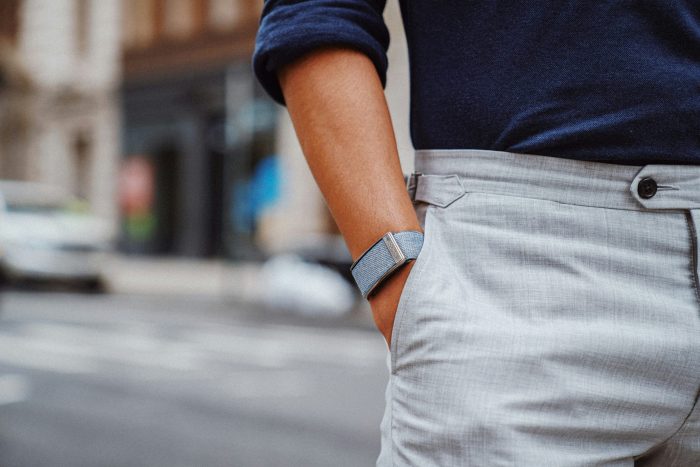
- Whoop: Minimalist design with no screen—just a strap and sensor. This lightweight build makes it easy to wear during training, sleep, and daily life without distraction. The lack of a display encourages athletes to focus on data analysis later via the app.
- Fitbit: Offers a traditional watch-like design with a screen, which can be great for quick glances but might feel bulkier during certain sports. Some models also require more frequent charging compared to Whoop’s battery pack system.
Athletes who prioritize continuous, distraction-free monitoring may appreciate Whoop’s simplicity, while those who want on-wrist notifications and visuals might prefer Fitbit.
3. Performance Tracking and Accuracy
Accuracy is where Whoop truly shines.
- Whoop’s Data Depth: It measures strain using continuous heart rate monitoring and combines it with HRV, respiratory rate, and sleep quality to provide a daily readiness score. It’s less about logging workouts and more about understanding how your body is responding.
- Fitbit’s Metrics: Fitbit tracks activity, heart rate, and sleep, and provides readiness scores (on premium plans). While reliable for day-to-day tracking, it may not capture the same granularity in HRV and recovery data that Whoop delivers.
For athletes who fine-tune their training based on minute changes in recovery, Whoop often provides the edge.
4. Sleep Tracking and Recovery Insights
Recovery is just as important as training.
- Whoop: Tracks sleep stages, disturbances, and efficiency, then combines them with strain data to recommend optimal sleep targets. The app even tells you exactly when to go to bed based on your next day’s performance needs.
- Fitbit: Offers solid sleep tracking with breakdowns of light, deep, and REM stages. Premium users get a “Sleep Score” and personalized insights, but these aren’t as tightly linked to performance metrics as Whoop’s recommendations.
If your training depends on knowing exactly when to push and when to recover, Whoop’s integration of sleep and strain data may be more valuable.
5. Subscription Costs and Value
Cost is a major factor for many athletes.
- Whoop: The hardware comes with a subscription plan (monthly or annual). You don’t “buy” the device outright—it’s included as part of your membership, which gives you access to the analytics platform.
- Fitbit: You buy the device upfront, with the option to add a premium subscription for deeper insights. You can still use most core features without a subscription.
Whoop’s model makes sense if you value continuous, evolving analytics. Fitbit’s pay-once structure is appealing if you want to avoid ongoing costs, though its advanced features may require Premium.
6. App Experience and Data Visualization
The app is where the real magic happens for wearables.
- Whoop App: Offers clean, performance-focused dashboards that emphasize strain, recovery, and sleep. The interface encourages athletes to interpret trends over time rather than obsess over daily fluctuations.
- Fitbit App: More feature-rich for general wellness, including food logging, social challenges, and integration with third-party apps. However, it can feel busier for athletes who just want training-related metrics.
For serious athletes, the Whoop app provides a more targeted and distraction-free experience.
7. Battery Life and Charging Convenience
- Whoop: Lasts around 4–5 days per charge. The unique on-the-go charging system allows you to slide a charged battery pack over the strap without taking the device off.
- Fitbit: Battery life varies from 4 to 7 days depending on the model, but charging usually means removing the device from your wrist.
Athletes who don’t want gaps in their data might prefer Whoop’s uninterrupted charging system.
8. Which One Should Serious Athletes Choose?
If you are a competitive or performance-driven athlete, Whoop generally offers the deeper, more specialized insights you need. Its emphasis on recovery, strain, and readiness makes it an invaluable tool for avoiding overtraining and optimizing results.
Fitbit remains an excellent choice for athletes who want a balance between fitness tracking and lifestyle features, especially if you value notifications, music control, and integration with your smartphone.
Final Verdict
Both Whoop and Fitbit have their strengths, but their purposes differ.
- Choose Whoop if you want elite-level performance tracking, recovery optimization, and a distraction-free wearable experience.
- Choose Fitbit if you want versatile health and fitness tracking that also works as a daily smartwatch.
In the end, the best device depends on your training style, data needs, and budget. But for serious athletes who live and breathe performance metrics, Whoop may just edge out the competition.