

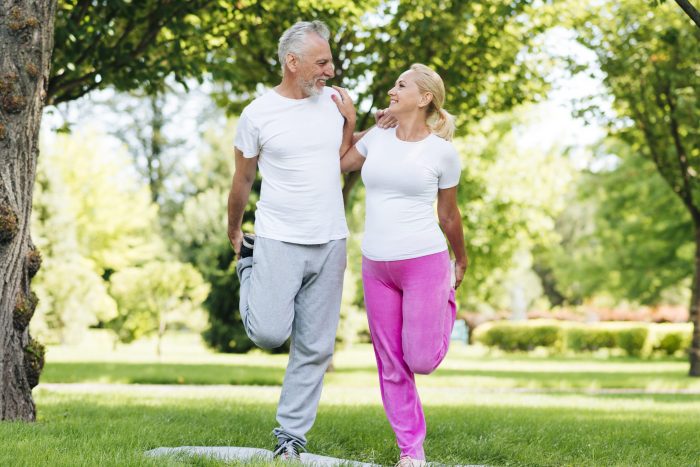
As we age, maintaining our physical health becomes increasingly important — not just for how we feel, but also for how we function. Many people turn to skincare, supplements, or diet to preserve youthfulness, but one of the most effective (and underrated) strategies is movement. Developing a daily anti-aging fitness routine can dramatically slow the aging process, boost mental health, and help you live a longer, more active life.
In this article, we’ll break down what an anti-aging fitness routine looks like, why it’s so effective, and how to incorporate it into your lifestyle — regardless of your age or current fitness level.
Why Fitness Is Essential for Anti-Aging
Exercise has been scientifically proven to slow aging at a cellular level. Regular movement increases blood flow, strengthens the heart, builds muscle, and improves joint health. But its benefits don’t stop at the physical level — fitness also protects your brain, boosts your mood, and helps reduce chronic disease risks like heart disease, diabetes, and osteoporosis.
A well-structured anti-aging fitness routine can also enhance balance, flexibility, and coordination, all of which decline naturally with age but are vital to preventing falls and injuries.
Core Components of an Effective Anti-Aging Fitness Routine
To build a comprehensive routine that supports long-term health and aging gracefully, your daily plan should include these five essential elements:
1. Cardiovascular Exercise
Why it matters: Cardio exercises strengthen your heart and lungs, improve circulation, and keep your metabolism active.
Examples:
- Brisk walking (30 minutes/day)
- Swimming
- Cycling
- Dancing
- Low-impact aerobics
Tip: Aim for at least 150 minutes of moderate-intensity cardio per week. It helps maintain stamina and energy, which often decline with age.
2. Strength Training
Why it matters: Muscle mass naturally decreases with age (a condition called sarcopenia), leading to weakness and reduced mobility. Resistance training helps counteract this loss.
Examples:
- Bodyweight exercises (push-ups, squats, lunges)
- Resistance bands
- Dumbbells or kettlebells
- Pilates with strength focus
Frequency: 2–3 times per week, focusing on major muscle groups.
Building lean muscle not only makes daily activities easier but also supports bone health and enhances metabolic function — a key to any effective anti-aging fitness routine.
3. Flexibility and Stretching
Why it matters: Flexibility reduces stiffness, improves posture, and increases mobility — all crucial for aging joints and muscles.
Examples:
- Yoga
- Static stretches (hamstrings, hips, shoulders)
- Tai Chi (which also supports balance)
Tip: Spend at least 10 minutes a day stretching. Include both dynamic (before workouts) and static stretches (after workouts) for optimal results.
4. Balance and Stability Training
Why it matters: Falls are one of the leading causes of injury in older adults. Training your balance helps prevent falls and improves coordination.
Examples:
- Single-leg stands
- Heel-to-toe walking
- Stability ball exercises
- Tai Chi and certain yoga poses
Frequency: Incorporate balance training 3–5 times a week, ideally after your cardio or strength routine.
5. Recovery and Rest
Why it matters: As you age, your body takes longer to recover. Without proper rest, exercise can lead to fatigue, injury, or burnout.
Tips:
- Get 7–9 hours of quality sleep each night.
- Include at least one full rest day per week.
- Try active recovery: light walking, gentle yoga, or stretching.
Recovery is an often overlooked part of any anti-aging fitness routine, but it’s essential for long-term consistency and injury prevention.
Sample Daily Anti-Aging Fitness Routine
Here’s how you might structure a daily routine that hits all key areas:
Morning (30–45 minutes):
- 5 minutes: Dynamic stretching
- 20 minutes: Brisk walk or cycling
- 15 minutes: Strength circuit (bodyweight squats, push-ups, planks, lunges)
Evening (15–20 minutes):
- 10 minutes: Yoga or stretching
- 5 minutes: Balance exercises (tree pose, heel-to-toe walk)
- Optional: Short walk after dinner for digestion and relaxation
Remember, consistency is more important than intensity. Even short, daily movement adds up over time.
Benefits You’ll Notice Over Time
By following an anti-aging fitness routine daily, you can expect to notice:
- Improved energy levels
- Better sleep quality
- Stronger muscles and bones
- Reduced joint pain and stiffness
- Sharper mental clarity and memory
- A more youthful appearance and posture
Many people also report higher confidence and independence in daily life — a priceless outcome as the years go by.
Tips to Stay Consistent
- Set realistic goals: Start small — even 10-minute workouts are beneficial.
- Track progress: Use a journal or app to log activities.
- Find activities you enjoy: Dancing, swimming, hiking — movement should be fun, not a chore.
- Buddy up: Exercising with a partner can boost motivation.
- Celebrate milestones: Acknowledge your improvements, no matter how small.
Final Thoughts
Aging is inevitable, but how we age is within our control. Movement is medicine — and a well-balanced anti-aging fitness routine is one of the most powerful tools you can use to stay strong, flexible, and independent for years to come. Whether you’re 40, 60, or beyond, it’s never too late to start. Your future self will thank you.